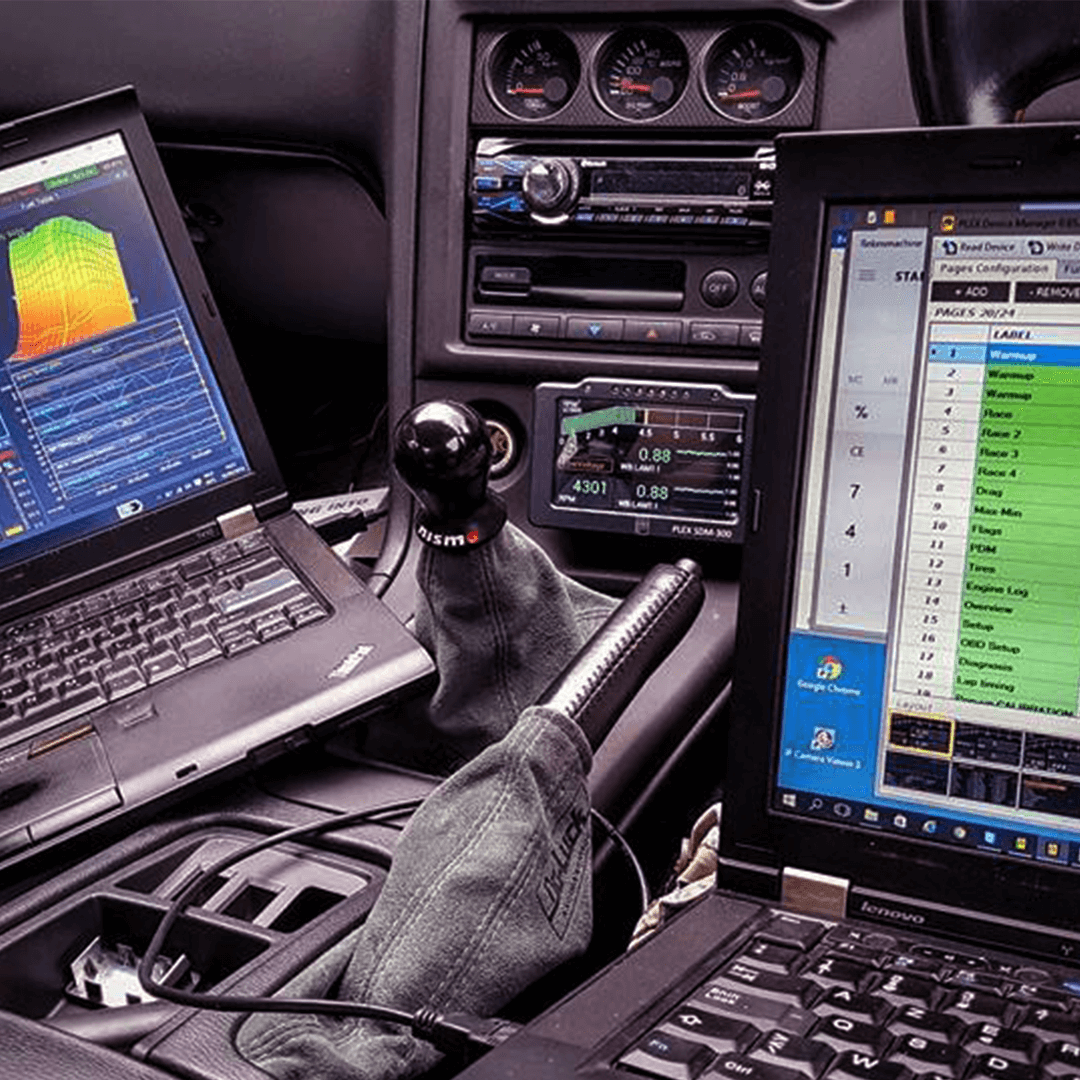
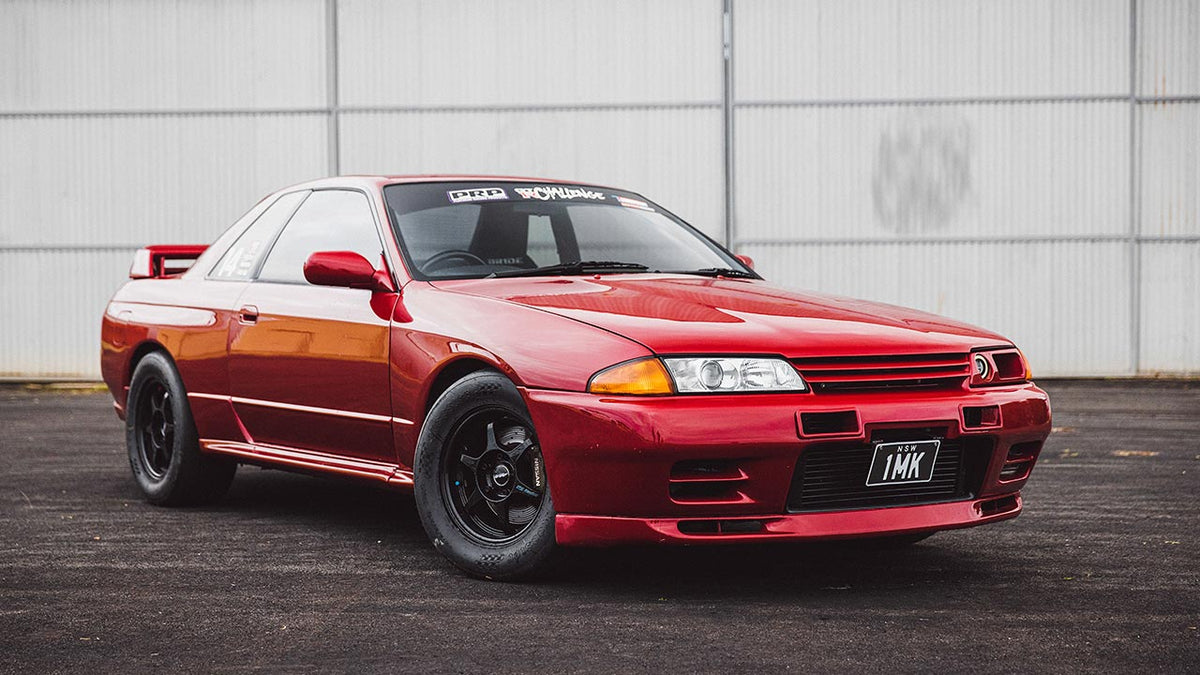
Builds can range from simple ECU upgrades to modernise sensors, to full 2000hp monsters
Building the picture
Before settling on an ECU, it helps to spend a bit of time thinking about your build. Most people have a rough idea of what they want from their project already, this article is about teasing that out into something concrete to make a good product decision.
The process starts with five questions about the build itself. This puts to paper the scope and direction of the build, and helps identify which ECU models are worth considering, what inputs and outputs (IO) the install will need, and what the existing wiring can or can't support.
The Five Questions
1. What Chassis?
The chassis determines which ECU options are even considered to start with. Some vehicles have factory plug-ins available, Others will need a wire-in ECU. Support for vehicle CANbus can be another factor in how the project is shaped as well.
2. What Engine?
The engine dictates the level of IO required, i.e. cylinder count, the kind of throttle and idle control used and so on. This matters more for Wire-In applications, and for engine swaps.
3. What Discipline?
How the car is used determines what gets added on top of that base IO requirement. Track cars might need more sensor data and inputs than a street car for example. The use case shapes the full picture of what the ECU will be managing. It can also determine how much of the factory body wiring you might utilise or discard.
4. What Horsepower?
High power applications may require staged injection, additional fuel pumps, additional sensor inputs, higher end motorsports features etc.
5. What Fuel?
Fuel type can add requirements like larger injectors, ethanol content sensors, and staged injection too.
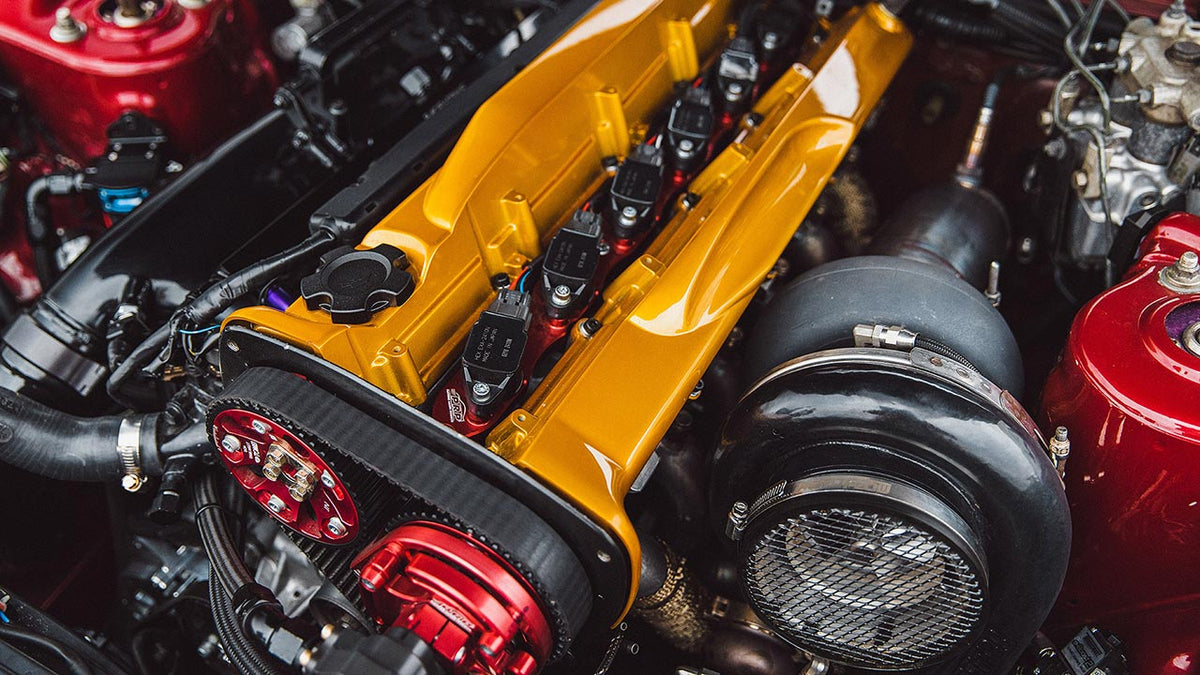
Every build should dictate to you which sensors and accessories are needed to acheive the goals set out
Building the picture
If it’s just a simple reliability and power bump from factory on a road car, it becomes clear the additional sensors over stock will be fairly limited. Maybe stock sensors are fine, maybe it’s just the usual extras; Oil Pressure, Fuel Pressure, Wideband Lamda etc.
If the build was going to be more motorsport or horsepower orientated, maybe more sensors like coolant pressure, flex fuel, exhaust gas temperature, or turbine shaft speed should be considered.
Now is the time to make that call. If you’re unsure of what additional sensors your build calls for, talk to a tuner in our dealer network, they will have a great grasp of what you need to achieve your build. Or if you’re doing it yourself, you can jump on our forums for some inspiration and advice.

Being prepared and putting your build to paper first saves time and headaches down the line
Mapping Your IO Requirements
Once the scope of the build and wiring is known, the next step is listing every input and output the ECU will need to manage. This IO map simply accounts for every sensor, switch, solenoid, and controller you will connect to the ECU. Building this IO map before you choose an ECU means the decision will be simple, and you know from the outset that it will work. Every Link ECU has either an Installer IO table, or Pinout you can download and use as a starting point if you get stuck.
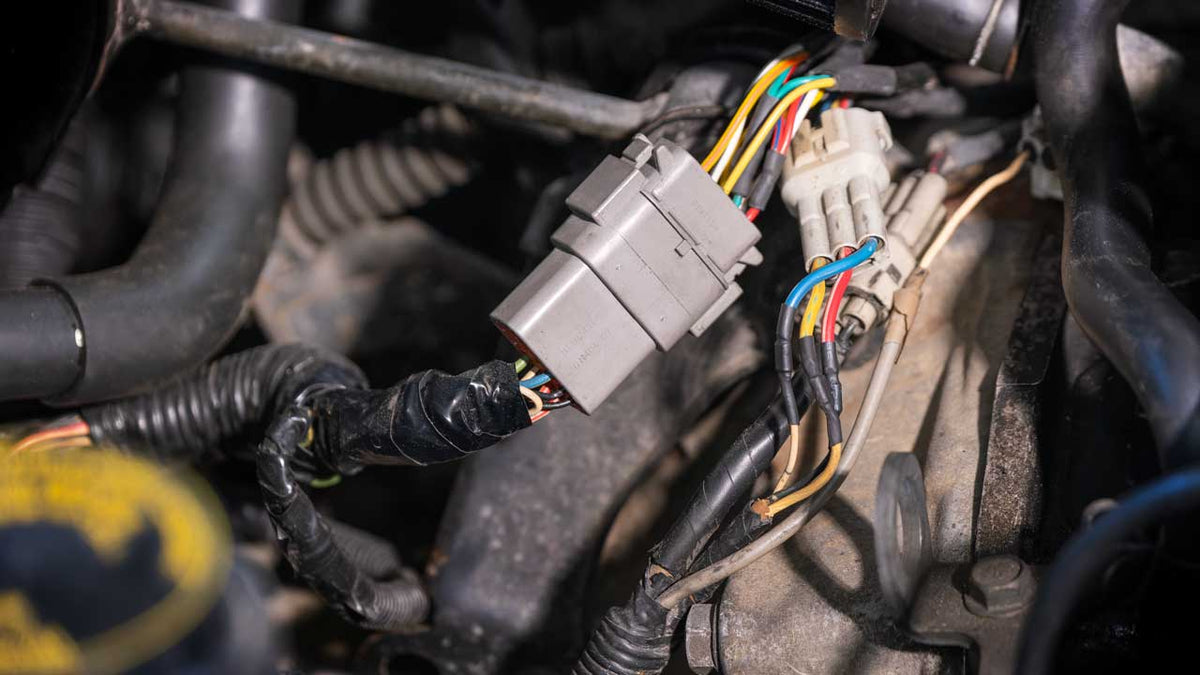
Finding repairs and modifications in your wiring might inspire you to start from scratch
Assessing Your Wiring
With IO requirements established, the last consideration is the health of your wiring. Engine bays are a harsh environment, wiring looms age and degrade, and previous modifications are not always clean. The condition of the wiring has a direct bearing on which way the project goes.
This is also a good time to assess just how much extra wiring is needed to run for addition sesnors and accessories. A mild street build can quite happily get away with a small sub harness, whereas a competition car will probably need a fresh loom to be built. This is covered in detail in the wiring tech article
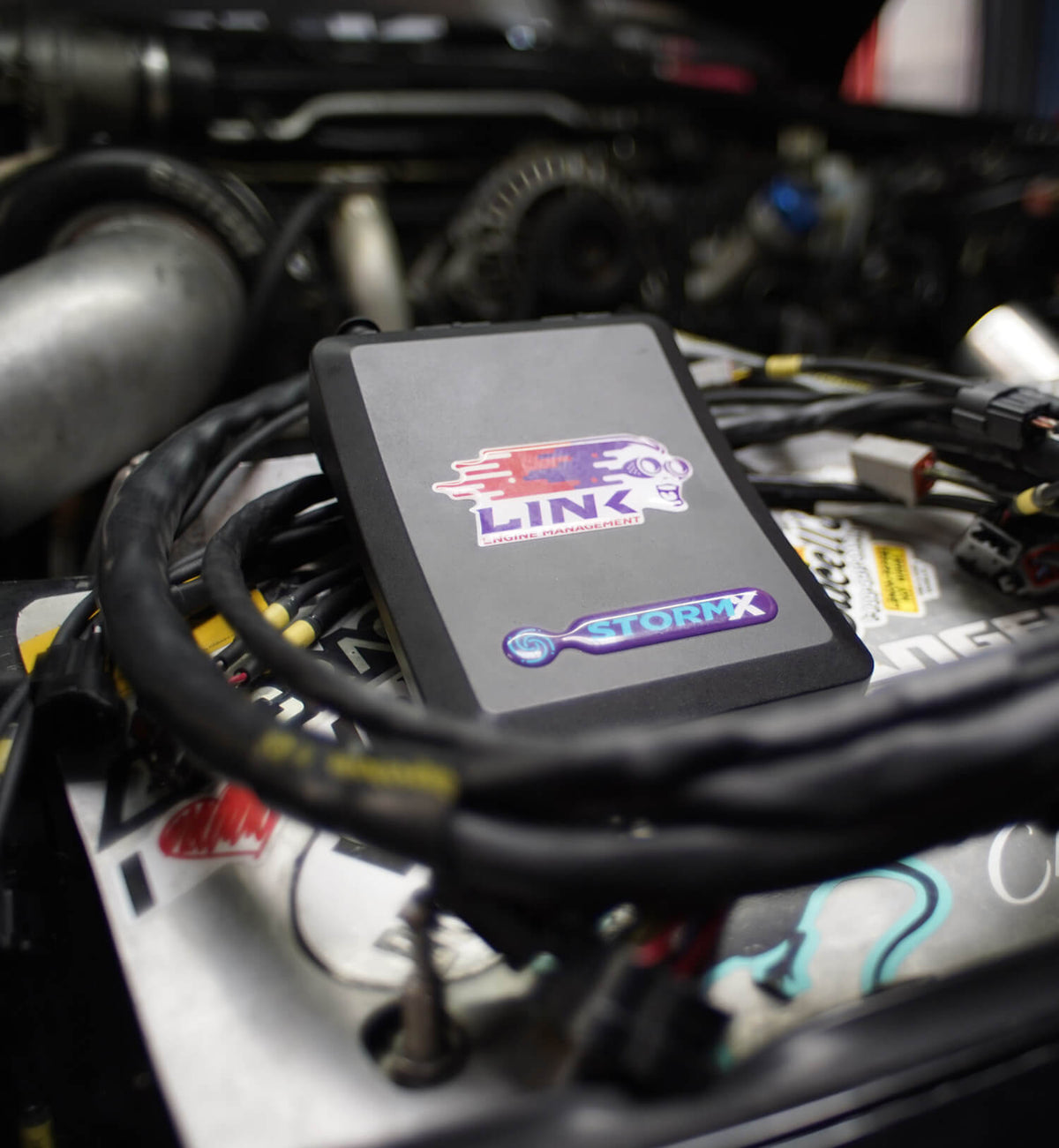
Choosing the Right ECU
Once you’ve established the scope of the project, mapped out all the IO you need, and assessed your wiring, ECU selection is a simple process of elimination.
For most builds, more than one ECU will meet the minimum requirements. At that point, the decision comes down to price, the level of wiring complexity you're willing to take on, and any need for future expansion. Any ECU that actually fits the build and scope will produce the same result regardless of Plug-In or Wire-In.
Once the ECU is selected, the final planning step is mapping your IO to the actual ECU pinout. This means assigning every item on your IO map to a specific pin on the ECU and confirming that every assignment is appropriate.
This IO map becomes the working reference for the install, and can prove very handy if any trouble shooting is required down the line. It’s also a great way to double check and verify the chosen ECU will be suitable for the application and it’s highly recommended you do it before making a purchase.