
Inside Saker Sportscars
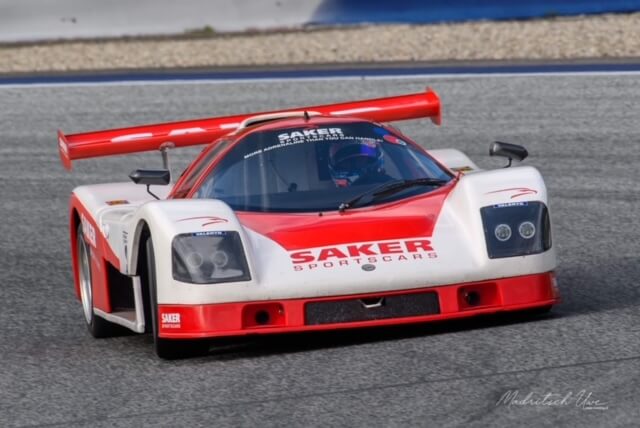
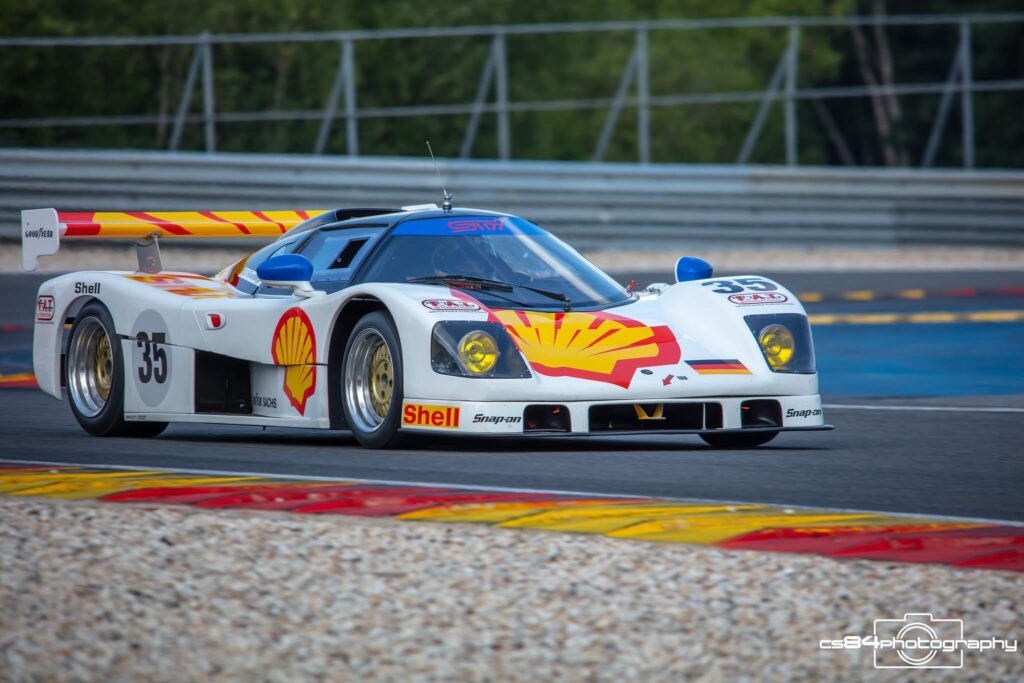
Lightweight, mid-engined, rear-wheel drive and built with one purpose in mind, Saker Sportscars are a little different from most cars you'll find lining up at a track day or Time Attack event.
The Saker story began in New Zealand in 1989 before production moved to the Netherlands. In 2023, former kart and circuit racer Tobias Möhring acquired the business and relocated it to Germany, where Saker is now building new cars and continuing to develop the existing platform.
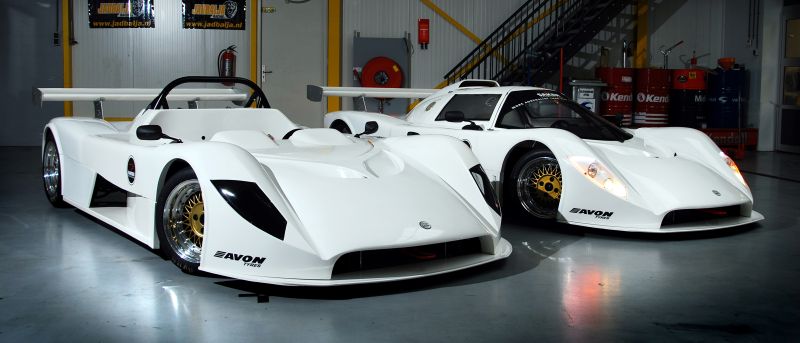
The Saker Story
Tobias' connection to motorsport goes back long before taking over Saker. He competed successfully in karting, raced in the Nürburgring 24 Hours in 2012 and won the ADAC Westfalen Trophy at the Nürburgring in a Saker RapX in 2022.
That experience now feeds directly into the cars. Tobias is involved across production, mechanical preparation, electronics, calibration, dyno testing and trackside development.
A big part of his motivation for taking on Saker was to offer private drivers a genuine race car without the purchase and running costs associated with many modern competition cars.
The Cars
Saker currently builds four models: the RapX, Sniper, GT and Sprint.
While the body styles vary, underneath they share the same basic formula: a lightweight steel spaceframe chassis, fibreglass bodywork, low centre of gravity, mid-mounted turbocharged Subaru engine and rear-wheel drive.
At approximately 785kg, the focus isn't on chasing the biggest possible power figure. Instead, Saker aims for a balanced and predictable car that can handle sustained track use while remaining relatively straightforward to run.
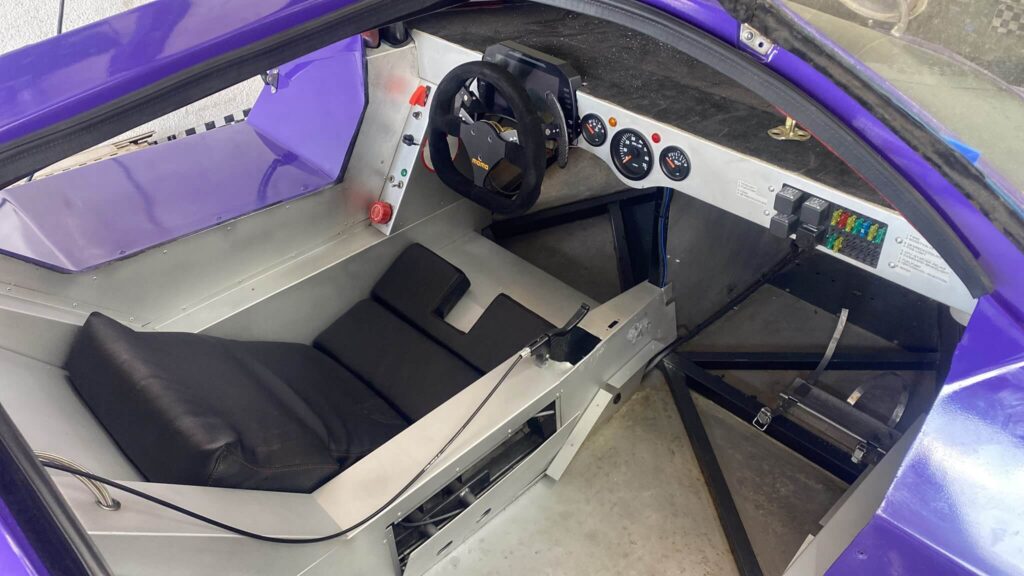
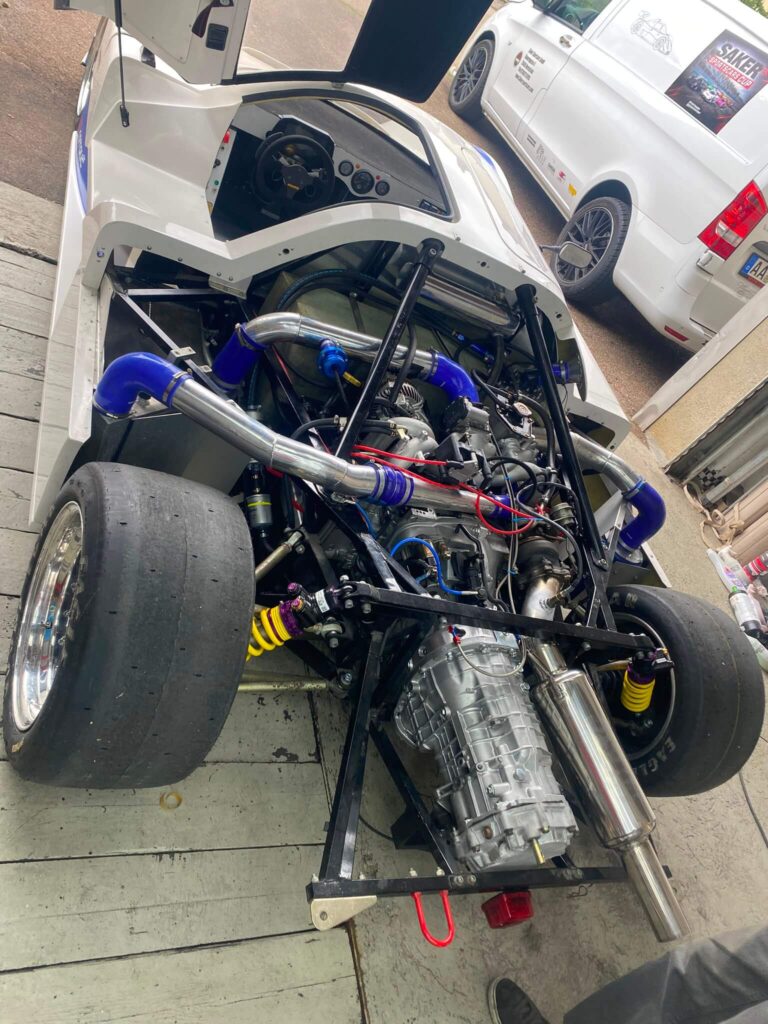
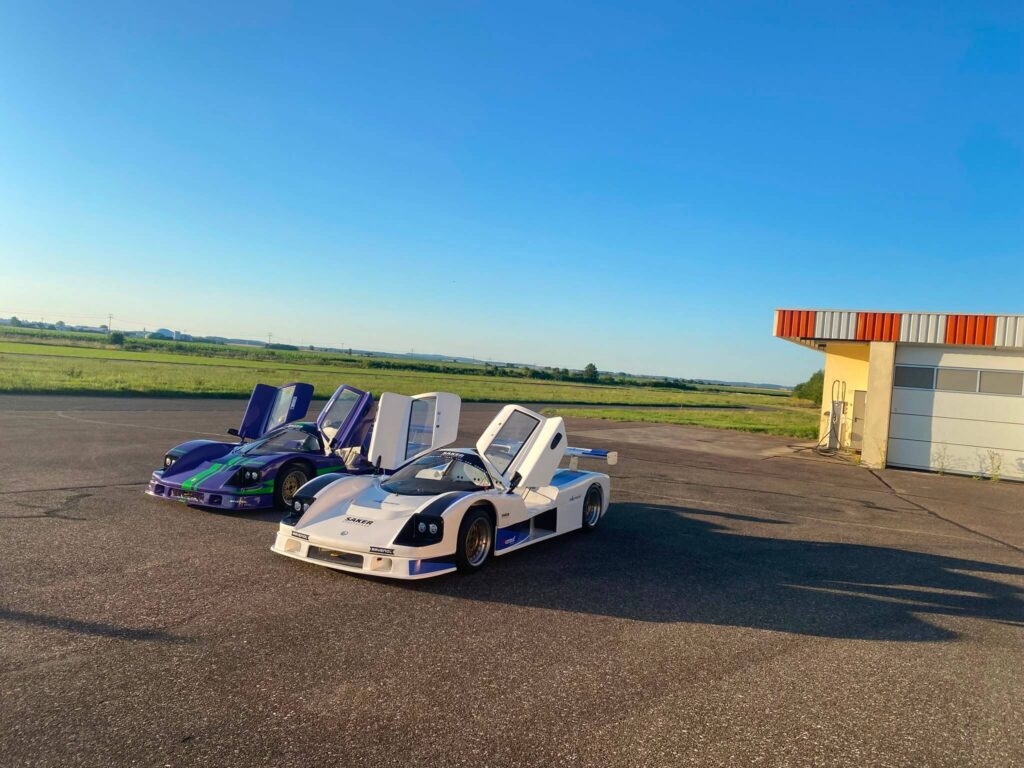
The Link ECU Setup
Saker began testing a Link MonsoonX in early 2025. Following that first installation, the MonsoonX became the standard ECU for new Saker builds.
The standard package now combines the MonsoonX ECU with a Link 7-inch Light driver display, CAN Lambda, pressure and temperature sensors, intake air temperature sensor and three-port boost control solenoid.
More advanced cars can use the FuryX or other larger Link wire-in ECUs where additional control is required for features such as electronic throttle and paddle shift.
Engine Protection and Data Logging
For Tobias, two of the biggest improvements have been engine protection and data logging.
Oil pressure, fuel pressure, lambda, temperature and knock can all be monitored, allowing protection strategies to respond when something starts moving outside its safe operating range. Oil-pressure monitoring and knock detection have already helped prevent several potential engine failures.
Logging also gives Saker a detailed picture of what happened during a dyno run or track session, helping with calibration, diagnosing issues and even analysing driver performance.
Powertrain and Performance
The standard Saker uses a Subaru EJ207 2.0-litre turbocharged flat-four, Mitsubishi TD04 turbo and Subaru Impreza five-speed manual gearbox.
Although Saker continues to advertise the standard car at a conservative 275HP, the current Link-equipped package produces more than 300 horsepower. Saker's own development car is producing more than 400 horsepower.
For higher-spec builds, a Kotouc sequential transmission can be paired with hydraulic paddle shift and electronic throttle control, with the ECU managing the associated gear-cut and shift strategies. Two new Saker GTs have already been built in this configuration and are being used to further develop the package.
Specifications
- ECU: Link MonsoonX; FuryX or larger Link wire-in ECU on advanced builds
- Engine: Subaru EJ207 2.0L turbocharged flat-four
- Turbo: Mitsubishi TD04
- Gearbox: Subaru Impreza five-speed manual
- Sequential option: Kotouc sequential transmission
- Drivetrain: Mid-engine, rear-wheel drive
- Chassis: Lightweight steel spaceframe
- Body: Fibreglass
- Weight: Approximately 785kg
- Power: 300+ PS with the standard Link-equipped package
- Development car: 400+ PS
- Display: Link 7-inch Race Light
- Lambda: Link CAN Lambda
- Additional functions: Boost control, launch control, flat shift, paddle shift, electronic throttle, closed-loop lambda, CAN integration, engine protection and data logging
On-Track Results
The cars are already putting the development work to use in Time Attack and Saker Cup competition.
In July 2026, Tobias set a new Saker lap record at Bilster Berg, recording a 1:47.63 in the RapX development car. Link-equipped Sakers have also collected a number of trophies and results in Time Attack competition.
Future Development
Saker is continuing to develop both the standard cars and its more advanced DBW, paddle-shift and transmission-control packages. Earlier Sakers can also now be upgraded with Link-based retrofit packages incorporating modern sensors, logging, engine protection, boost control and CAN integration.
Longer term, Tobias wants to grow the Saker Cup to around 25 cars and increase production to approximately 10 new cars per year.
For a car that has always been built around light weight and a relatively simple mechanical package, the electronics are adding capability without changing that underlying philosophy. The result is still unmistakably Saker – just with considerably more control, data and protection available when it heads out on track.